
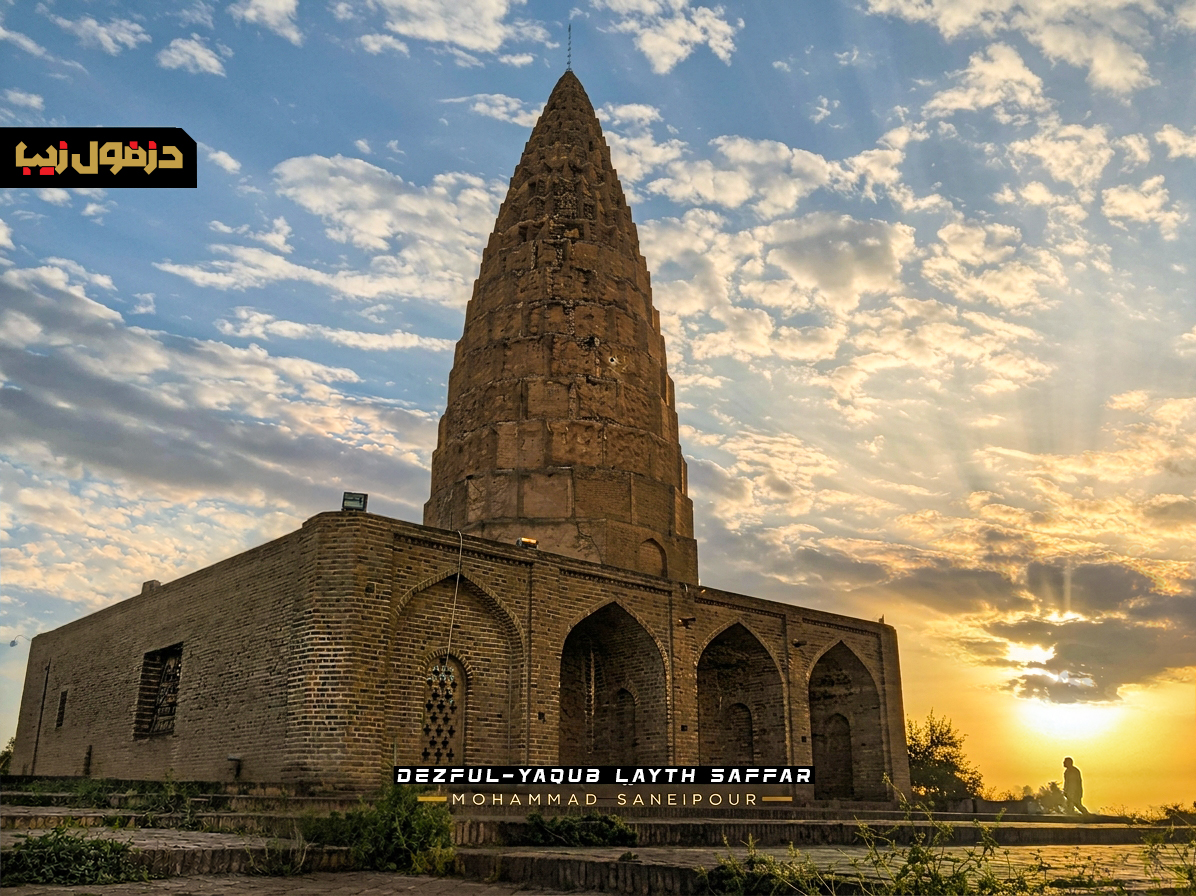
در پهنهٔ تاریخی دزفول، آرامگاه یعقوب لیث صفاری، یادگاری ارزشمند از روزگاران کهن و نمادی از تاریخ پرفرازونشیب ایرانزمین است. این بنا در نزدیکی روستای شاهآباد، در مسیر دزفول به شوشتر و در جوار بازماندههای شهر باستانی گندیشاپور قرار دارد. گنبد بلند و دندانهدار سفیدرنگ آرامگاه، در کنار معماری خاص بقعه و سنگقبرهای کهن پیرامون آن، جلوهای باشکوه و تأملبرانگیز به این مکان تاریخی بخشیده است.
یعقوب لیث صفاری، بنیانگذار سلسلهٔ صفاریان، از چهرههای برجستهٔ تاریخ ایران در سدهٔ سوم هجری بود که در احیای هویت ایرانی و جایگاه زبان فارسی نقشی ماندگار ایفا کرد. او که از پیشهٔ مسگری برخاست و به فرمانروایی رسید، نام خود را در تاریخ ایران بهعنوان نمادی از استقلالخواهی و اقتدار ایرانیان ثبت کرد. سرانجام، یعقوب لیث در سال ۲۶۵ هجری قمری در گندیشاپور درگذشت و آرامگاه منسوب به او، امروزه یادآور بخشی پرافتخار از میراث تاریخی این سرزمین است؛ میراثی که پاسداشت آن، پاسداشت ریشهها و هویت تاریخی ایران و دزفول است.
Tomb of Ya’qub ibn al-Layth al-Saffar in Dezful
Nestled in the historic landscape of Dezful, the Tomb of Ya’qub ibn al-Layth al-Saffar stands as a treasured monument to Iran’s ancient past and a testament to the region’s rich history. Located near Shahabad village, along the road connecting Dezful to Shushtar, the tomb lies close to the remains of the ancient city of Gundeshapur. Its distinctive white, ribbed dome, striking architectural features, and the weathered gravestones surrounding the site lend this historic landmark a sense of grandeur and timeless beauty.
Ya’qub ibn al-Layth al-Saffar, the founder of the Saffarid dynasty, was one of the prominent figures in Iranian history during the 9th century. Rising from humble beginnings as a coppersmith to become a powerful ruler, he played a significant role in the revival of Iranian identity and the advancement of the Persian language. His legacy remains a symbol of independence and Iranian pride. Ya’qub died in 879 CE in Gundeshapur, and the tomb traditionally associated with him stands today as a reminder of Iran’s rich historical heritage. Preserving this monument means safeguarding a vital part of the cultural identity and historical legacy of Dezful and Iran.